


Choosing a Balance for a Laboratory: Which Balance for Each Analysis?
When choosing a laboratory balance, consider the type of analysis, the smallest sample amount, acceptable weighing error, and total load. This guide covers the applications of analytical, semi-micro, micro, and precision balances, as well as moisture analyzers.

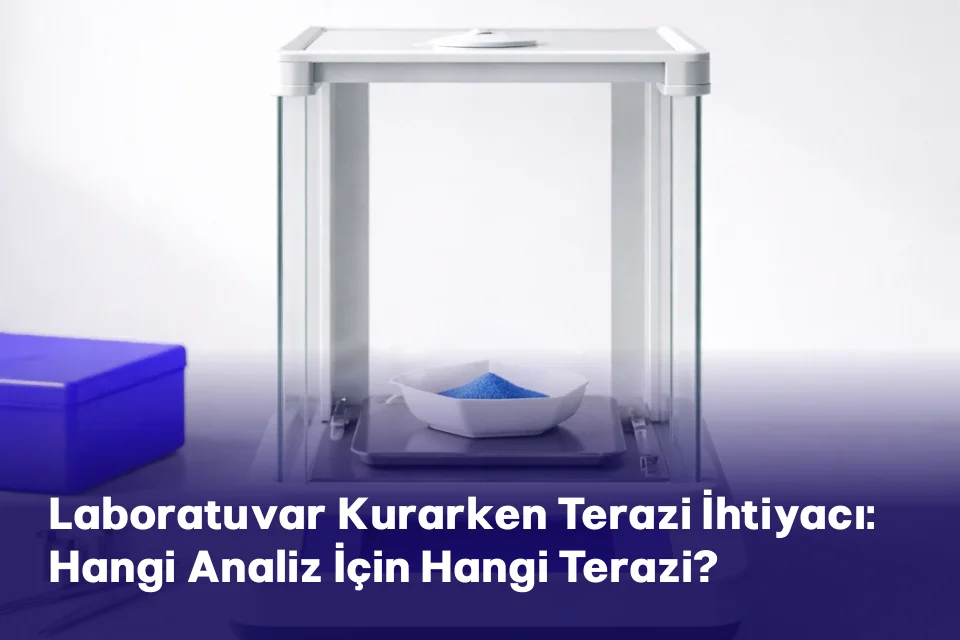
When choosing a balance for a laboratory, first consider the analysis method, the smallest net sample to be weighed, and the acceptable weighing error. An analytical balance with 0.1 mg readability is a commonly used option for routine sample preparation and solution preparation. For smaller samples or tighter tolerances, consider a semi-micro or micro balance. For larger samples at the gram level, consider a precision balance with a suitable capacity.
No single type of balance is suitable for every analysis. The number of digits on the display alone does not indicate reliable weighing. The selection steps below can help narrow down your needs based on the laboratory's methods and workflow.
First, determine the analysis method and tolerance
Rather than starting with the balance capacity or the number of digits on the display, start by clarifying the sample amount required by the analysis method and the acceptable error. If the method specifies a minimum net sample amount, note it and consider it alongside the permitted deviation in the weighing result.
Readability is the smallest increment that can be distinguished on the balance display. This is not the same as accuracy, and it does not by itself prove that a sample can be weighed reliably. The minimum weighing value, tolerance, and working conditions should all be considered together.
Balance options by analysis type
- Routine sample and solution preparation: An analytical balance with 0.1 mg readability is a commonly used option. An enclosed design helps reduce the effect of air currents on measurements. You can browse sample products in the analytical balances category.
- Smaller samples and tighter tolerances: A semi-micro balance with 0.01 mg readability may be considered. For example, the stated capacity of the Precisa HA 225SM-DR model is 102/225 g, and its readability is 0.01/0.1 mg. Do not choose based on readability alone. Compare semi-micro balance options with the requirements of your method.
- Very small masses, filter weighing, and emissions analysis: A micro or ultra-micro balance may be suitable. For example, the listed capacity of the AND BM-5 micro balance is 5.2 g, and its readability is 0.001 mg. The required readability and minimum weighing value should be verified separately for the device and the method. You can browse the micro balances category.
- Routine weighing at the gram level and larger samples: A precision balance with 1 mg readability or coarser may be considered if its capacity meets your needs. The listed capacity of the Precisa LS 2200C SCS model is 2200 g, and its readability is 0.01 g. When considering precision laboratory balances, also check the smallest sample amount and the tolerance.
- Moisture analysis: A moisture analyzer can be used to monitor mass loss while heating a sample. Since volatile components other than water may also be measured as mass loss during heating, compare the results with a reference method and determine the analysis conditions based on the sample. For product options, see the moisture analyzers category.
What to check when choosing a balance
- Smallest net sample: Determine the smallest amount to be weighed according to the method. Consider readability alongside this amount and the acceptable error.
- Total capacity: In addition to the heaviest sample, account for the weight of the weighing container and tare. The balance capacity must accommodate the total gross load.
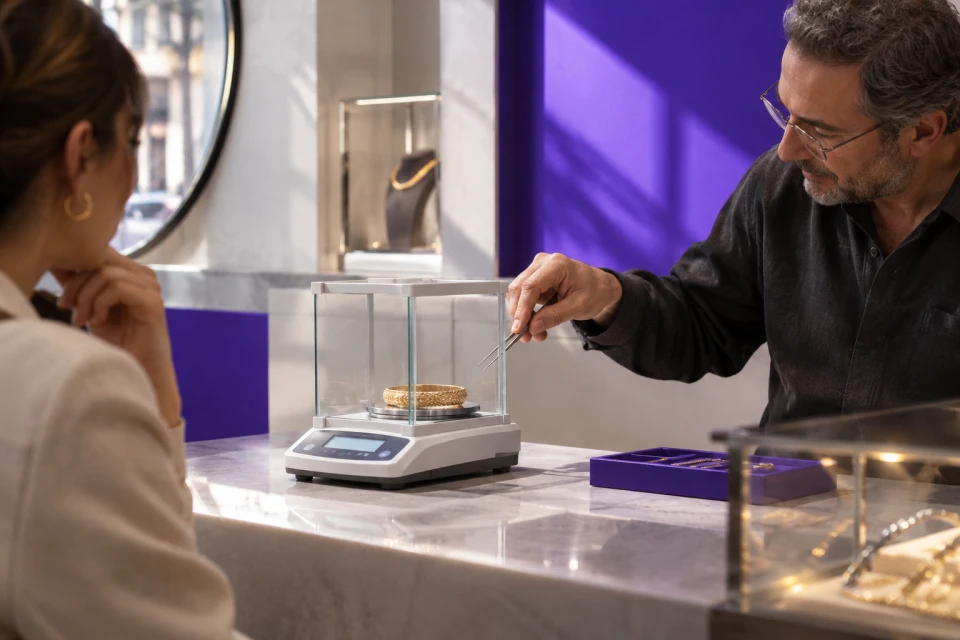
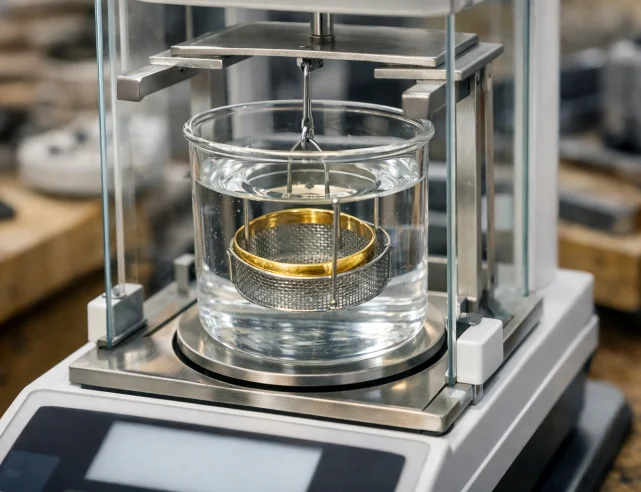
- Special functions and applications: If you will perform density determination, formulation, or percentage weighing, check which functions you need. The presence of a function on the balance does not by itself confirm that the method's performance requirements will be met.
- Pipette calibration: For gravimetric pipette calibration, select balance readability according to the pipette's nominal volume and the method to be used. For small volumes, micro balance options can be compared with analytical balances for larger volumes, based on the method.
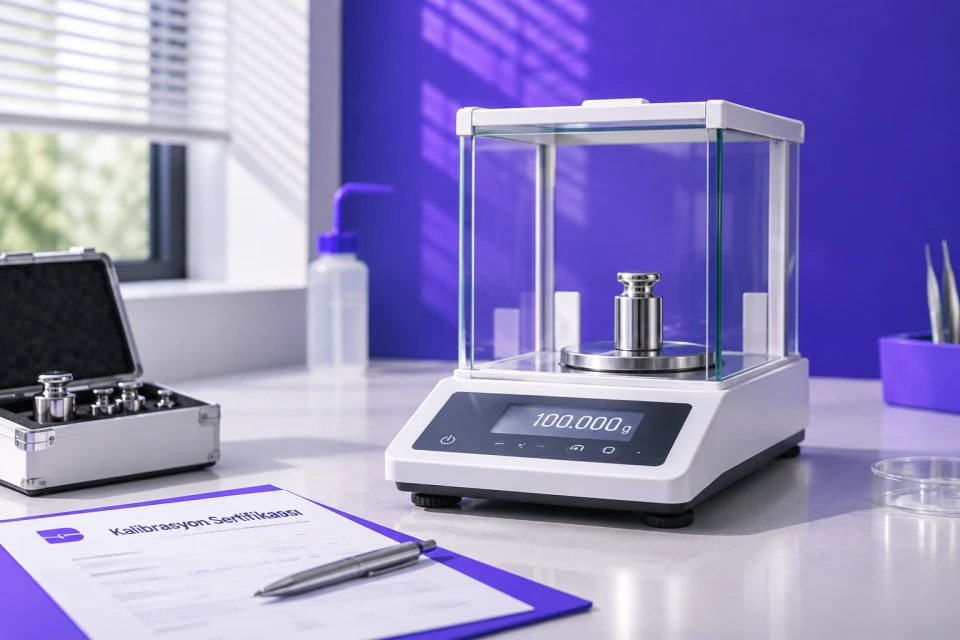
- Work area: Place the analytical balance in a stable area protected from air currents, vibration, and temperature changes. If the device has been moved, level it again and check its performance according to the manufacturer's instructions.
Frequently Asked Questions
Is a 0.1 mg analytical balance sufficient for every laboratory analysis?
The balance's suitability should be assessed based on the sample amount required by the analysis method and the acceptable weighing error.
Does readability indicate accuracy?
No. Readability refers to the smallest increment distinguishable on the display. To assess whether weighing is suitable for your needs, also consider the minimum sample amount and acceptable error.
Does a moisture analyzer measure only water loss?
It measures mass loss during heating. Since volatile components other than water in the sample may also appear as mass loss, the result should be compared with a suitable reference method.
Conclusion
Choose a laboratory balance based on the analysis method, the smallest sample, the tolerance, and the total load, including the weighing container. Analytical, semi-micro, micro, and precision balances can meet different needs. For moisture analysis, also assess whether the method is suitable for the sample.
Terazibul provides balance sales, technical service, calibration, and adjustment services in Üsküdar, Istanbul. You can browse laboratory balance options in the laboratory products category and contact us to determine your needs.

 Buy-Back Eligible Product
 Warranted Refurbished Scales
 Trade-In Eligible Product

Comments (0)