


Analytical Balances
Explore analytical balances for high-precision laboratory weighing. Review 0.0001 g readability models, capacity, calibration and connectivity options to find the right balance for your application.

Analytical Balances
How to choose?
Readability
0.1 mg is enough for most analytical work. For smaller samples, look at semi-micro balances.
Capacity
220 g is enough for most samples. If you use a heavy container, choose a 320 g model.
Calibration
Internal calibration saves time in work that needs frequent adjustment.
Which scale suits you?
- Daily Analysis220 g · 0.0001 gList 5 Products
- Heavy Container320 g · 0.0001 gList 2 Products
Frequently asked questions
What is an analytical balance?
It is a laboratory balance that reads to 0.0001 g, or 0.1 mg. It is used in chemical analysis and sample preparation.
What is the difference between an analytical balance and a precision balance?
A precision balance reads 0.01 g or 0.001 g. An analytical balance reads 0.0001 g, so it weighs at least ten times finer.
Where should an analytical balance be placed?
Set it up on a vibration-free table, away from doors, air conditioning and windows.
What affects analytical balance prices?
Capacity, calibration type and brand set the price. For a current price, use the Get a Price button on the product card.





Subcategory
- All
- Micro Balances
- Semi-Micro Balances
- Analytical Balances
- Semi-Analytical Balances
- Precision Balances
- Moisture Analyzers
- Pharmacy Balances
- Accessories
- Density Kits
Filters

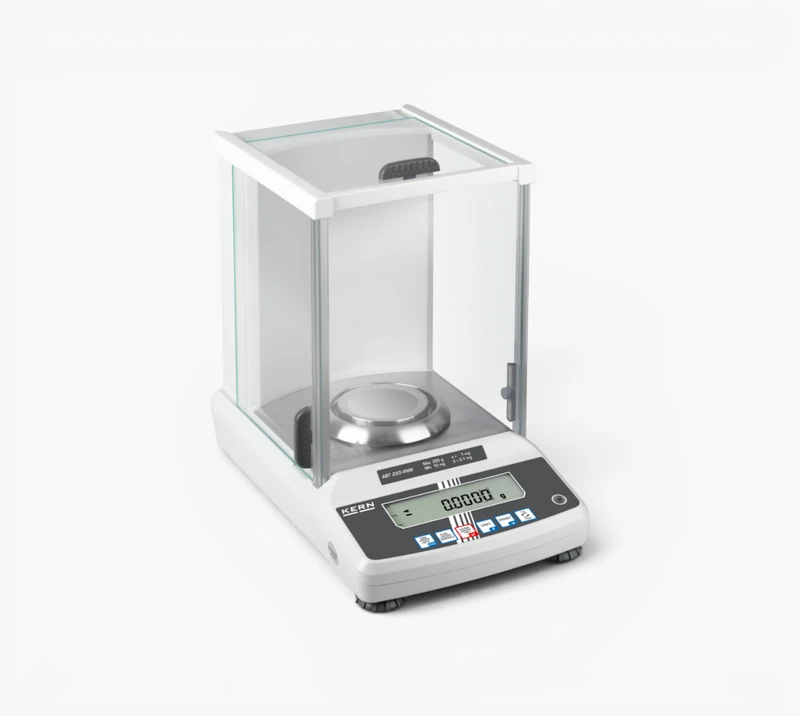
Kern ACJ 200-4M Analytical Balance, 220g, 0.0001g
Kern ACJ 300-4M Analytical Balance, 320g, 0.0001g
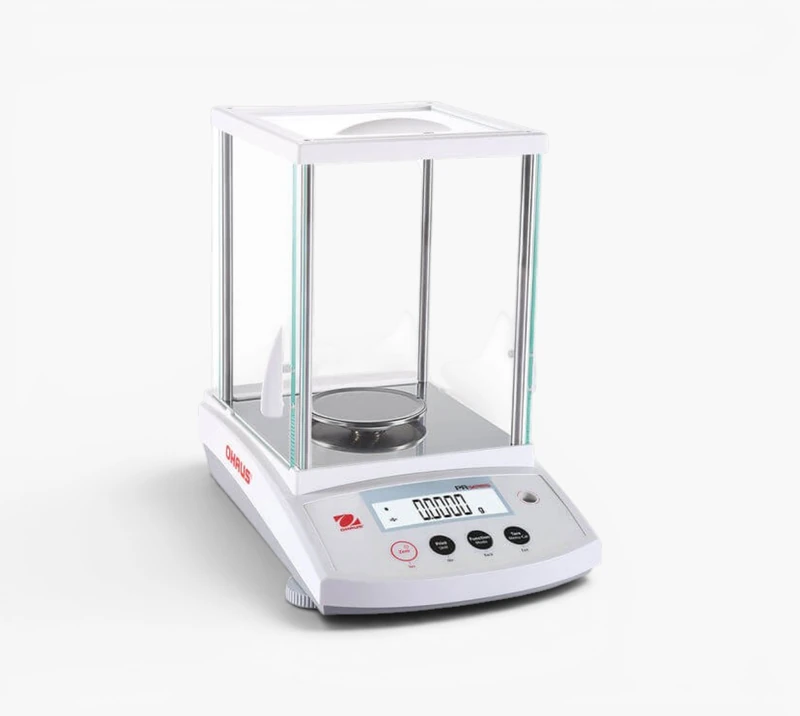
Ohaus PR224 Analytical Balance, 220g, 0.0001g
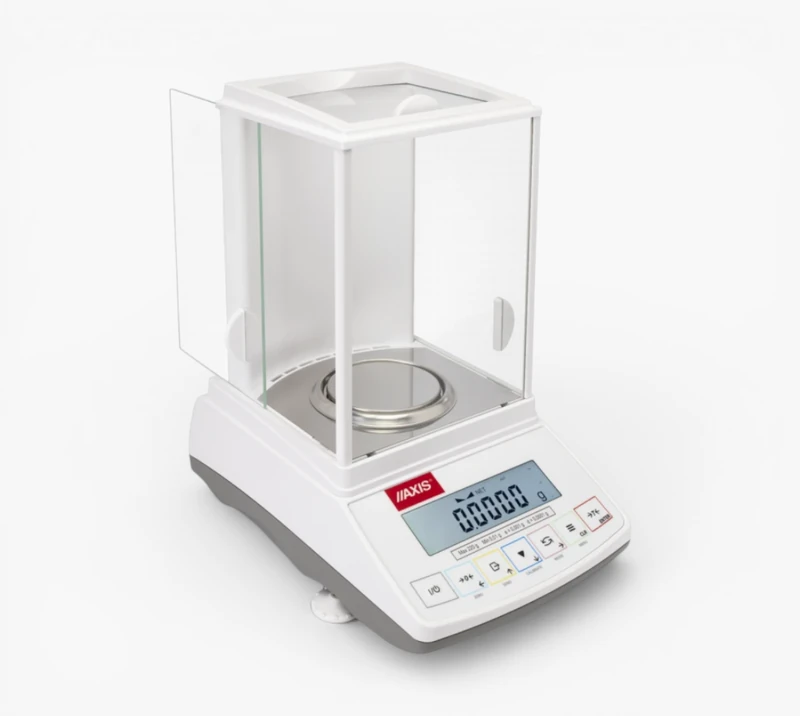
Axis APN220 Analytical Balance, 220g, 0.0001g
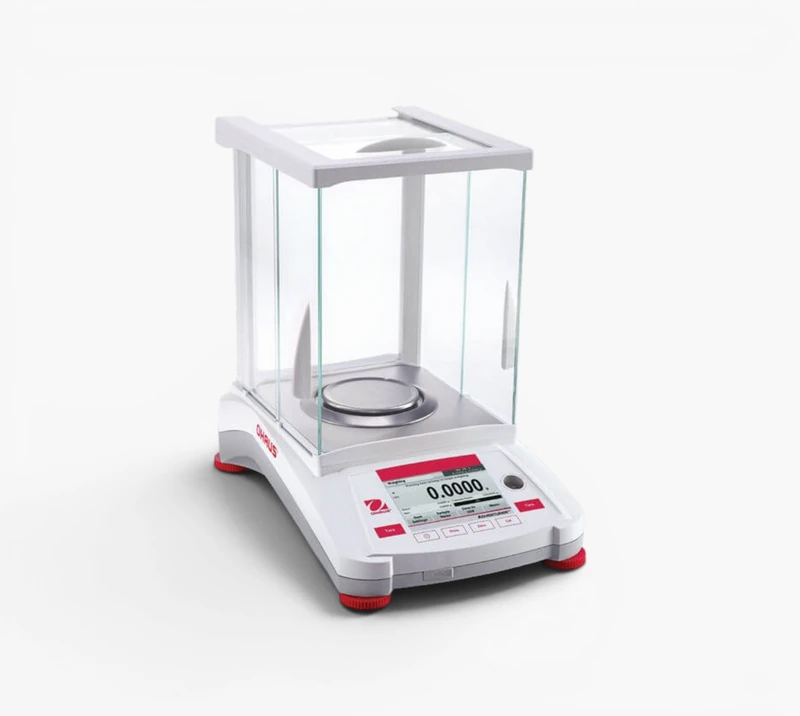
Ohaus Adventurer AX224 Analytical Balance, 220g, 0.0001g
Axis APN320 Analytical Balance, 320g, 0.0001g
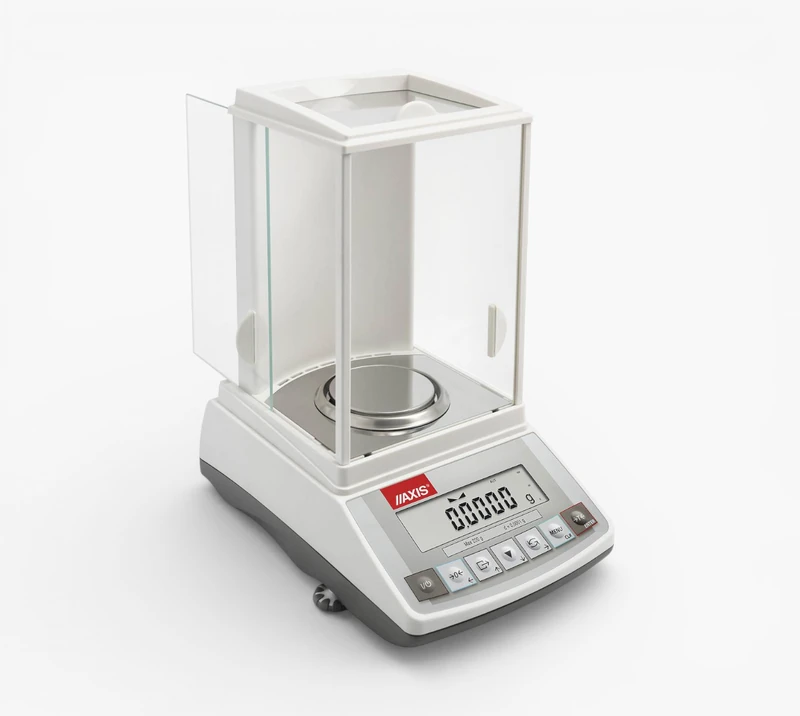
Axis ACN Analytical Balance, 220g, 0.0001g

TÜRKAK-Accredited Calibration Certificate

Analytical Balances
Analytical balances are professional instruments for high-resolution mass measurement in laboratories. They are widely used for sample preparation and analysis in chemistry, pharmaceutical, food, environmental and quality-control labs.
Choosing an Analytical Balance
Readability, maximum capacity, repeatability and the calibration method are the main criteria. A draught shield helps reduce the effect of air movement on the reading.
USB, RS-232 or similar connections can make it easier to send weighing data to a computer or laboratory system.
 Buy-Back Eligible Product
 Warranted Refurbished Scales
 Trade-In Eligible Product
