


How Often Should Scales Be Calibrated?
There is no single calibration interval that suits every scale. Consider usage intensity, the environment, and the importance of measurement results. Treat mandatory periodic inspection separately from calibration.

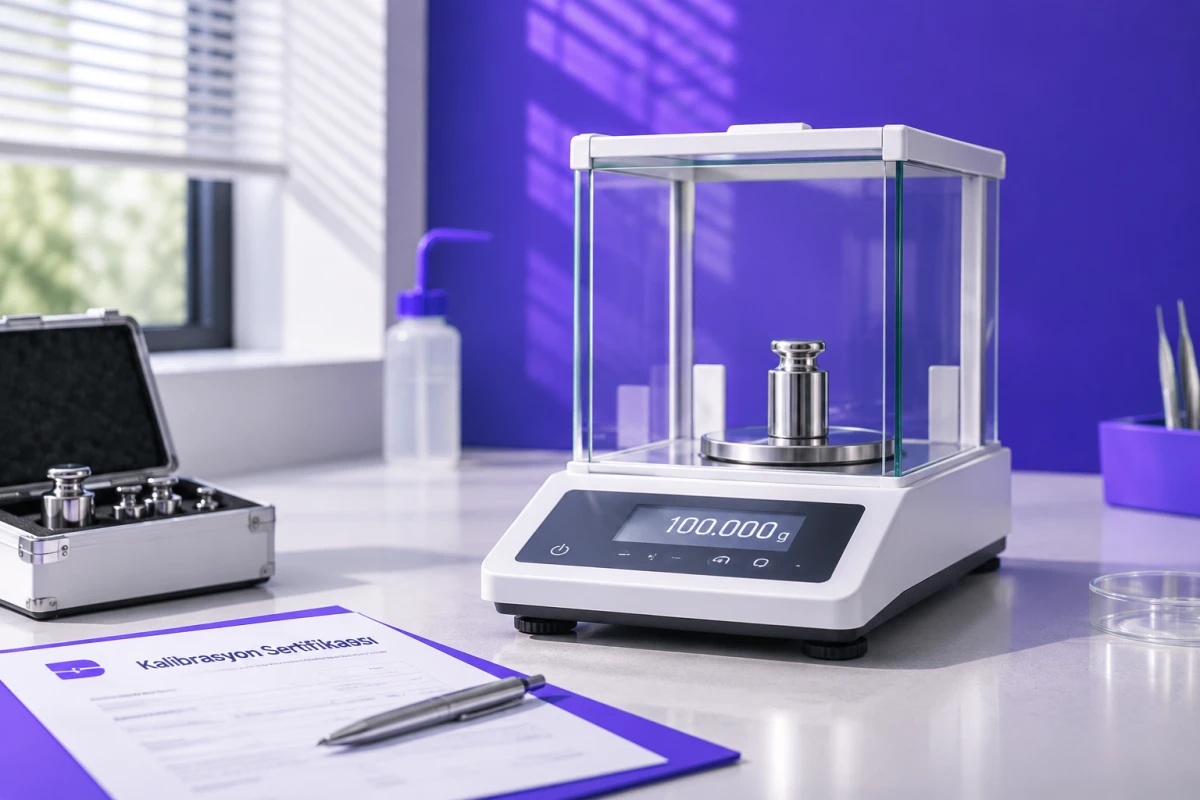
There is no single interval that applies to all scales calibrated for in-house or laboratory use. The interval can be set on a risk basis, depending on how often the scale is used, the environment, and the importance of the measurement results to the process. Sartorius also recommends calibration and maintenance at least once a year as a general guideline, unless there is a separate regulatory requirement. This is not a fixed rule for all devices.
Calibration and mandatory periodic inspection are not the same process. Calibration determines the deviation by comparing the values displayed by the scale with reference values. It does not correct the deviation by itself. Adjustment is the process of correcting the deviation. Legal inspection is a separate inspection and stamping process carried out under the applicable rules for weighing instruments covered by regulations.
Key factors that determine the calibration interval
- Frequency of use: How often the scale is used.
- Working environment: The environment where the scale is located.
- Importance of the result to the process: How important the measurement result is to the process.
The calibration interval should be set on a risk basis. A business can create its calibration plan in line with its quality procedure. Manufacturer recommendations may vary by brand and application. A&D states that the verification or calibration interval depends on how often measurements are taken and the business's standard procedure.
Perform routine checks between calibrations
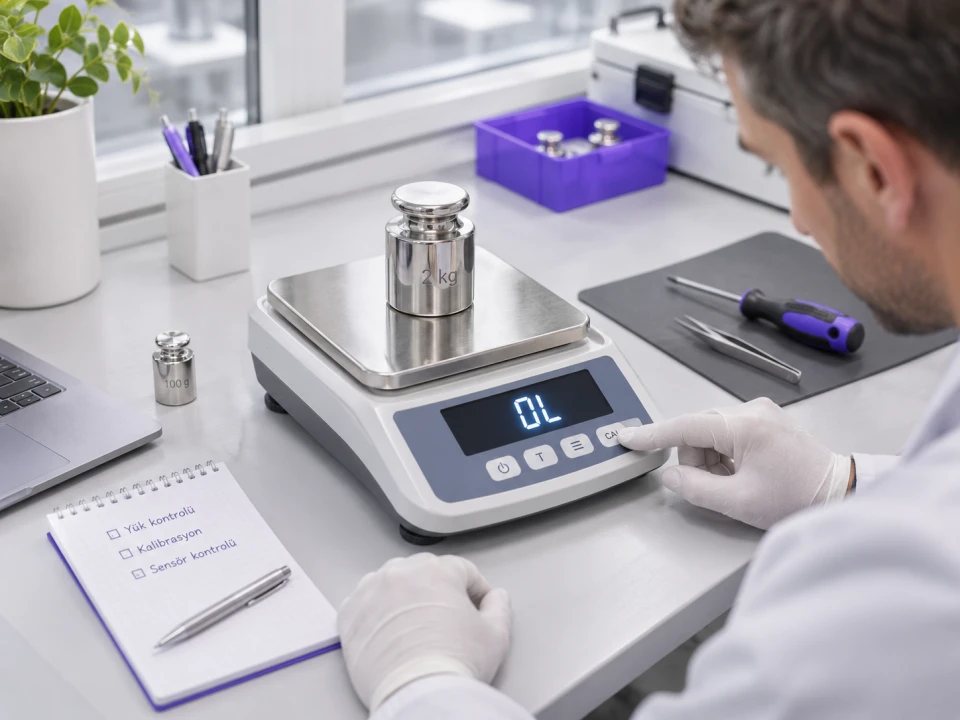
For precision scales, routine checks using a reference weight can be performed daily or before starting a series of measurements. The frequency of checks and acceptance limits should be set according to the application and the business's quality procedure. These routine checks are separate from laboratory calibration.
What should you do after moving, repairing, or servicing a scale?
If a scale has been moved, repaired, or serviced, its performance should be reassessed before it is put back into use. METTLER TOLEDO recommends recalibration before returning the scale to use in these situations.
Having an internal automatic calibration or adjustment feature does not mean the same thing as external calibration. An internal process may use the test weight inside the device. External calibration uses a reference weight from outside the device. Calibration determines the deviation, while adjustment corrects it. Do not assume that these features remove the requirement for mandatory periodic inspection.
Track the mandatory periodic inspection deadline separately
In Türkiye, the periodic inspection period for weighing instruments covered by regulations is two years. When calculating the period, the year in which the scale is stamped counts as the first year. For a device whose inspection period has expired, an application must be submitted from the beginning of January to the end of February in the year following the year of expiry.
This period does not apply unconditionally to every type of scale. The regulation covers automatic weighing instruments and non-automatic weighing instruments with a weighing capacity of 2,000 kg or less. The type of device and how it is used affect which inspection procedure applies. Therefore, check the scope of the regulations for your device and the application process separately.
In summary, record your in-house calibration schedule and legal inspection date separately. Plan the calibration interval according to risk and operating conditions. For devices subject to inspection requirements, keep track of the regulatory schedule.
Frequently Asked Questions
Should every scale be calibrated once a year?
No. Sartorius recommends calibration and maintenance at least once a year as a general guideline, unless there is a separate regulatory requirement. This is not a fixed rule for all devices. The interval should be set according to how often the scale is used, the environment, and the importance of the measurement results to the process.
Does inspection every two years mean calibration every two years?
No. The periodic inspection period under the regulations is a separate legal process for weighing instruments within scope. It does not determine the in-house calibration interval and does not automatically apply to every scale.
Is internal automatic calibration enough?
An internal calibration or adjustment feature is not the same as calibration using an external reference weight or legal inspection. Calibration determines the deviation, while adjustment corrects it. Set a separate check and calibration plan to meet the needs of your application.
Conclusion
When deciding how often to calibrate a scale, consider both its operating conditions and the measurement risk. Plan routine checks separately from calibration, and track the periodic inspection schedule separately for devices covered by regulations.
If you need calibration or technical service support for your scale, you can visit Terazibul's scale technical service page or submit a service request. Terazibul provides a 6-month service warranty for service work and replaced parts. This warranty does not cover the entire device. Within Istanbul, your device can be collected from your location and delivered back to you if you wish.
 Buy-Back Eligible Product
 Warranted Refurbished Scales
 Trade-In Eligible Product

Comments (0)